
You don’t have to cope with this on your own. We’re here for you too.
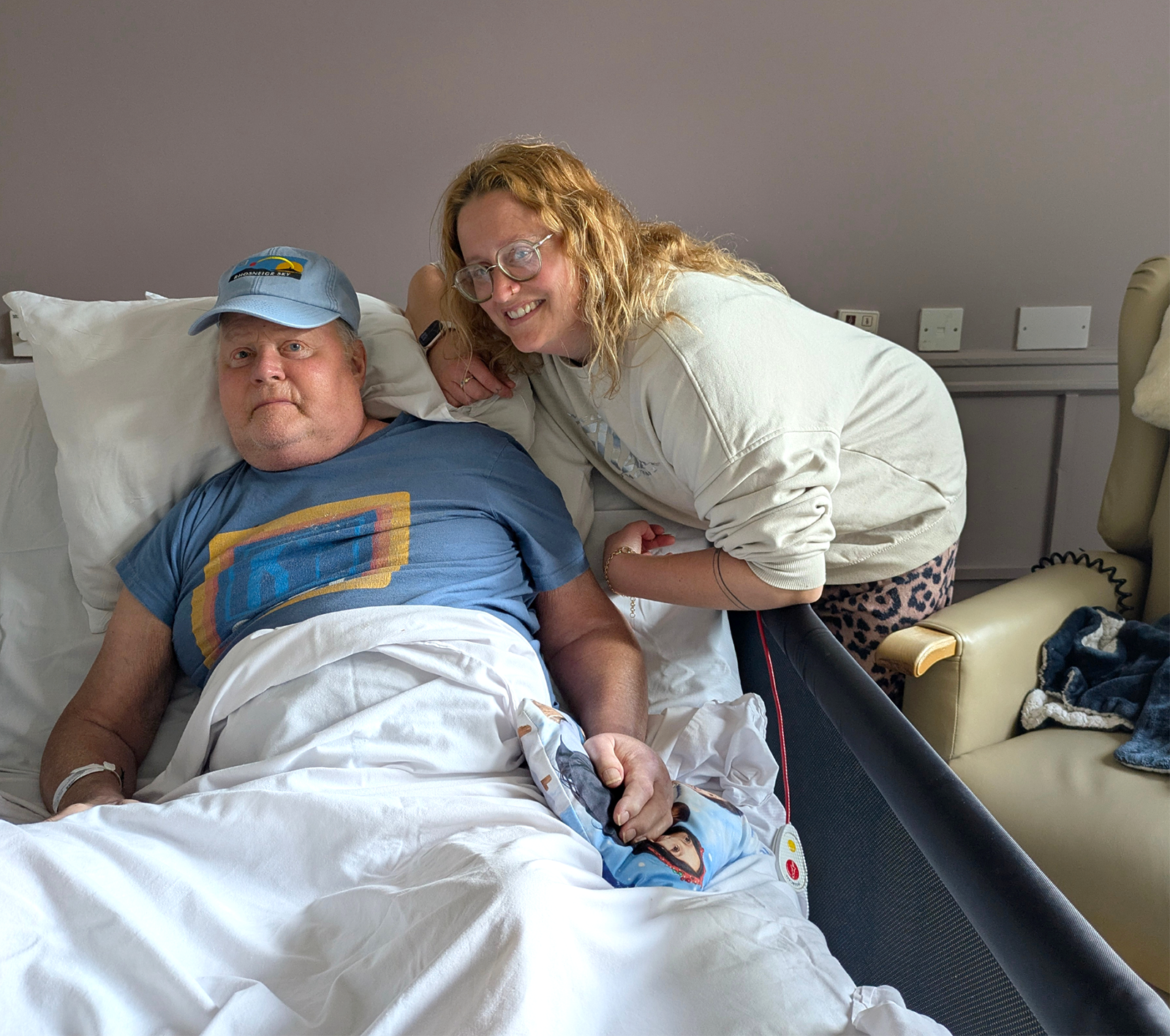
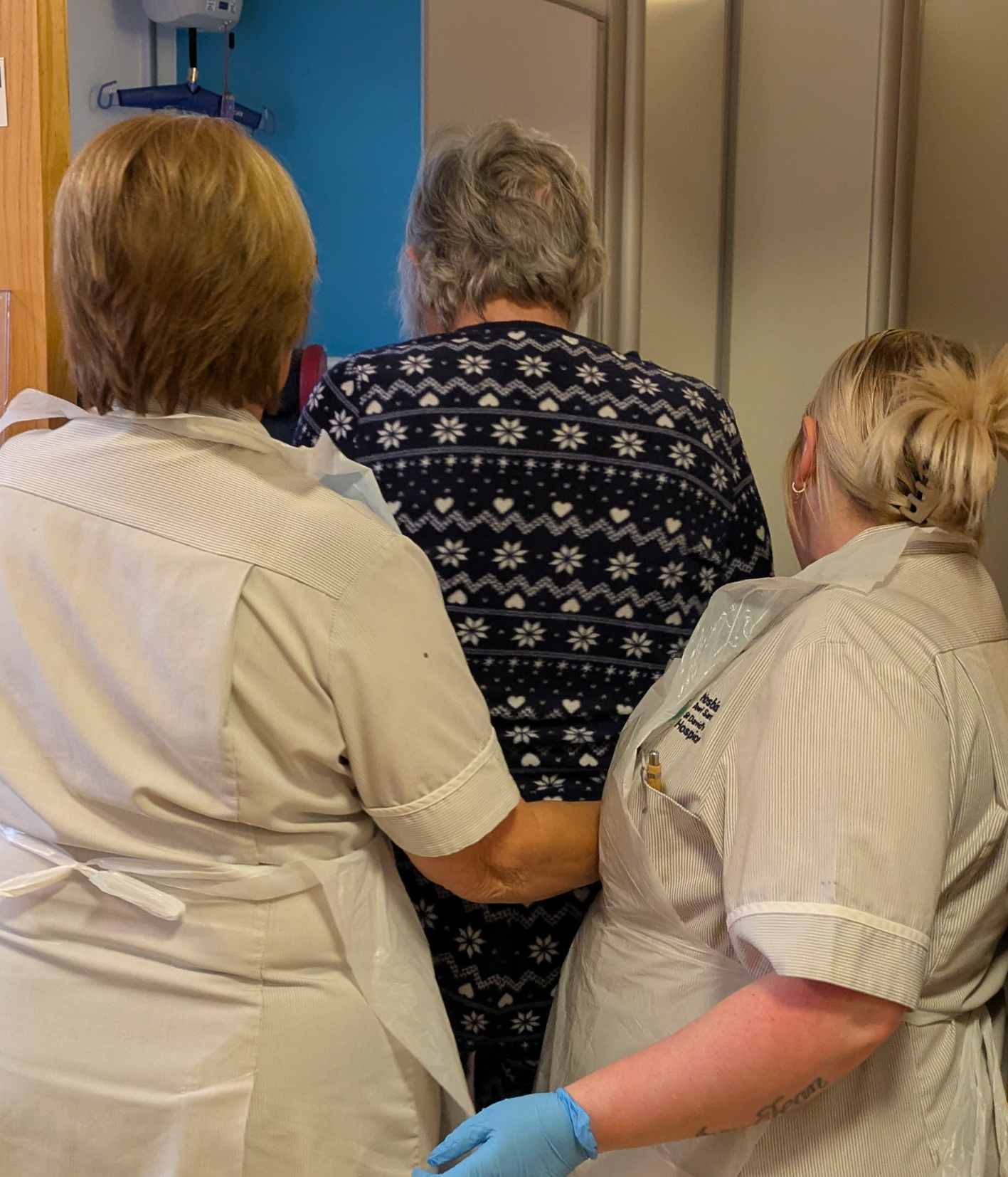
Caring for someone with a life-limiting illness or coping with a bereavement can be incredibly hard. It can be rewarding, but it can also feel exhausting, lonely and overwhelming at times. We understand the emotional and practical pressures you may be under, and we know that serious illness affects family and friends just as much as it does the person who is unwell.
At St David’s Hospice, we believe that support for families and carers is as important as the care we offer our patients. We’re here to walk alongside you, involve you in decisions, and offer a safe space to talk, ask questions and get the help you need.
As a carer, partner, relative or close friend, you may need just as much support as the person who is ill. We can offer one‑to‑one emotional support and counselling to give you space to talk honestly about how you’re feeling and to help you cope with stress, worry and change.
You can also access complementary therapies such as massage and aromatherapy, which many carers find helpful for easing tension and improving sleep and relaxation. Where appropriate, respite care through inpatient stays can give you a planned break from caring, knowing your loved one is being well looked after.
Our chaplaincy service, quiet rooms and garden areas are available if you’d like time for reflection, prayer or simply some peace and quiet. We can also offer practical advice and signpost you to organisations such as Citizens Advice, Age Cymru, Carers UK and local carers services for help with benefits, money worries, housing and other everyday issues
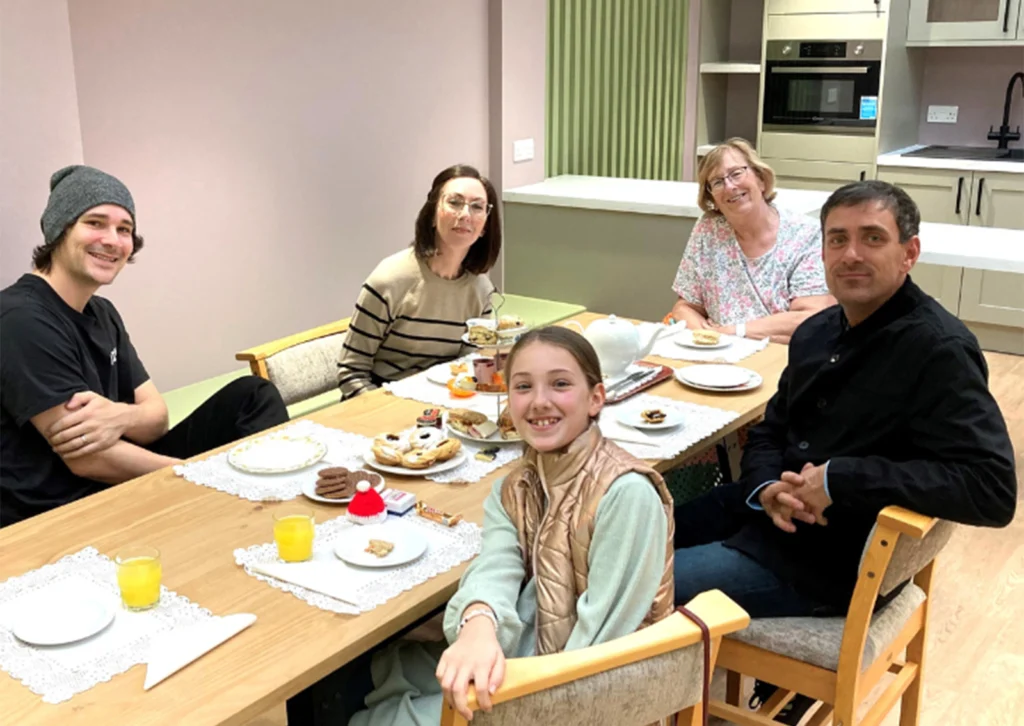
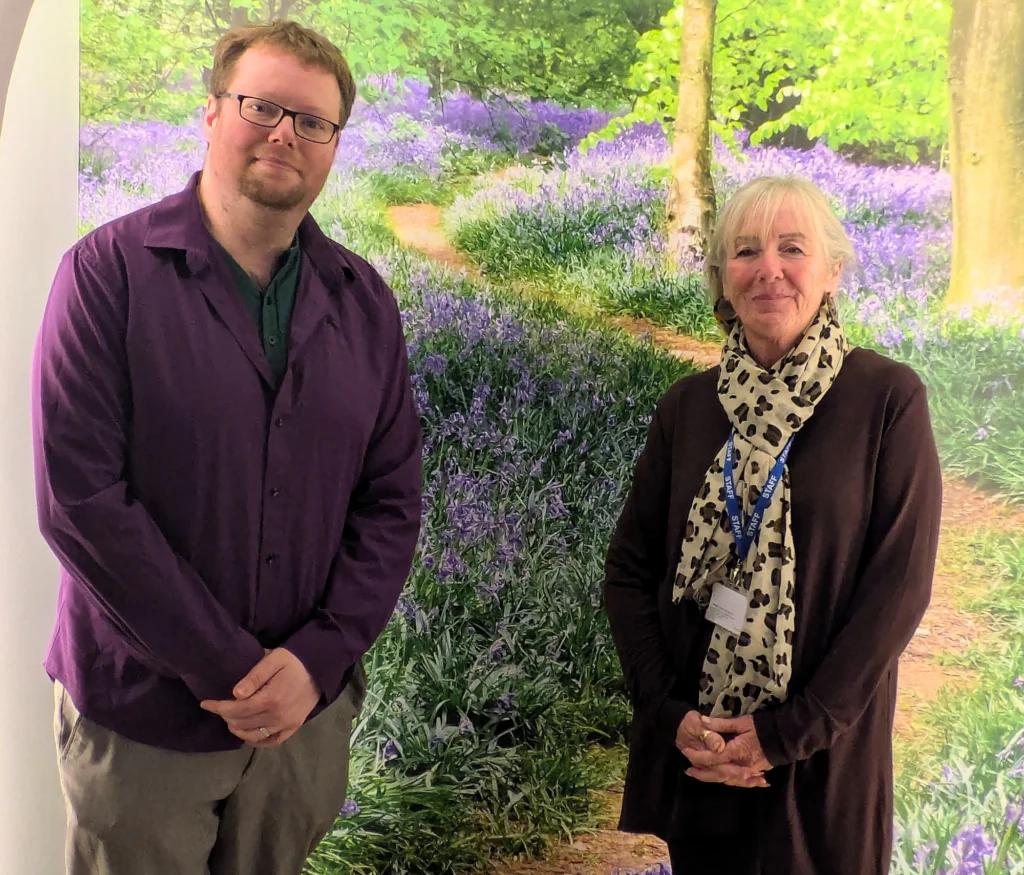
Grief is different for everyone. You might feel sad, angry, guilty, relieved, numb – or a mixture of all of these, sometimes all in the same day. There is no “right” way to grieve and no set timetable for how long it should take.
St David’s Hospice offers a bereavement service for families and close friends of people who have been cared for by the hospice. Around six weeks after a death, we will usually contact you to see how you are coping and to offer support. Depending on what feels right for you, this might include one‑to‑one sessions, telephone support or small group meetings where you can talk with others who have been bereaved.
If children or young people are affected, we can help you find specialist bereavement support through partner organisations and dedicated helplines, so that they can express their feelings in a way that is safe and age‑appropriate.
When you are caring for someone, it’s easy to put your own needs to one side, but your health and wellbeing are just as important. Try to notice how you are feeling physically and emotionally, and speak to your GP or another professional if you are struggling with sleep, low mood, anxiety or physical symptoms of stress.
It can help to talk about your feelings with someone you trust, whether that’s a friend, family member, member of the hospice team or a counsellor. Taking regular breaks, accepting offers of help and using respite care if it’s available are not signs of failure – they are vital in helping you keep going over the longer term. Remember that you do not have to manage everything on your own, and it is always better to ask for support early rather than wait until you feel overwhelmed.
No. All hospice care, meals and treatments for patients are offered completely free of charge.
Yes. Children are welcome to visit but must be accompanied by an adult, and we ask that they are considerate of other patients by not running or shouting. Toys are available in the relatives’ lounge.
Yes, well‑behaved pets can usually visit if they are house‑trained and appropriately vaccinated. Please speak to the nursing team beforehand so that arrangements can be made.
Visitors are welcome to have drinks and snacks during their visit. Meals and snacks can be purchased from the hospice café, and staff can advise on options if accessing food is difficult.
We encourage you to share any comments or concerns as soon as possible so we can respond quickly. You can speak to the nurse in charge, use our suggestion box, leave feedback online, or write to the Chief Executive if you wish to make a formal complaint.
These organisations offer information, advice and support for carers, patients and families:
benefits, money, work, housing and legal advice
support and information for older people in Wales and their carers
advice and support for disabled people and their families in Wales
advice, information and forums for unpaid carers
Benefits, government information on welfare benefits,
including carers’ benefits
national bereavement charity offering telephone,
online and local support
24-hour confidential emotional support
Abbey Rd, Llandudno,
Conwy, North Wales
LL30 2EN
Ysbyty Gwynedd,
Bangor, Gwynedd
LL57 2DH
44 Cae’r Llyen,
Llandudno Junction,
Conwy, LL31 9LS
Copyright © 2026 St David’s Hospice. Registered Charity No. 1038543